Electrical permits can feel confusing or intimidating, especially for homeowners planning upgrades or repairs. In the Central Valley, permits play a critical role in ensuring electrical work is performed safely and meets current building codes.
Understanding when a permit is required — and why it matters — can help you avoid costly mistakes and protect your home.
TL;DR:
Reliant Electrical & Automation Inc. helps homeowners in Fresno, Clovis, and Madera navigate electrical permits and inspections. Most electrical upgrades — including panel upgrades, EV chargers, generators, and new circuits — require permits to ensure safety, code compliance, and long-term reliability.
Why Electrical Permits Exist
Electrical permits are not just paperwork. They exist to:
- Verify work meets current electrical codes
- Ensure proper grounding, bonding, and overcurrent protection
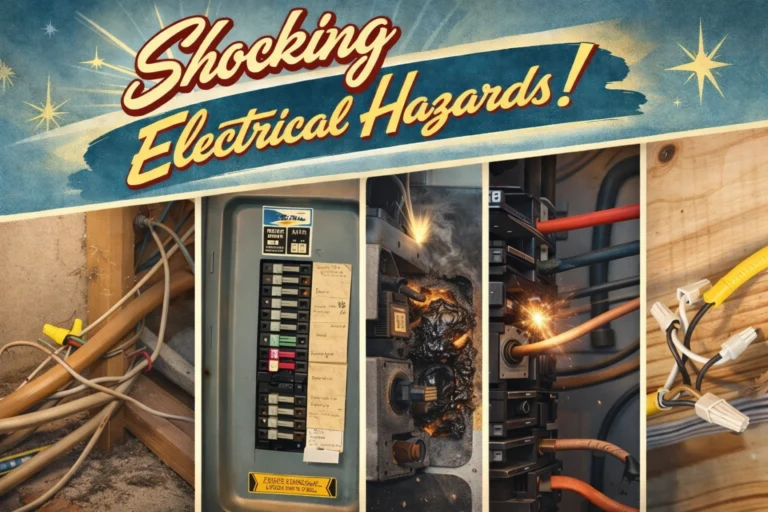
- Reduce fire and shock hazards
- Protect homeowners during resale or insurance claims
Permitted work is inspected by local authorities to confirm it was completed correctly and safely.
Electrical Work That Typically Requires a Permit
In most Central Valley jurisdictions, permits are required for electrical work that alters or expands the electrical system. This commonly includes:
- Electrical panel upgrades or replacements
- Installing new circuits or subpanels
- EV charger installations
- Generator systems and transfer switches
- Electrical work for remodels or additions
- Major lighting upgrades involving new wiring
Even if the work seems straightforward, permits are often required when wiring, panels, or load capacity are involved.
What Electrical Work May Not Require a Permit
Minor repairs may not require a permit, depending on local rules. Examples can include:
- Replacing switches or outlets without changing wiring
- Replacing light fixtures in existing locations
- Like-for-like repairs that do not alter circuits
Requirements vary by city, so it’s always best to confirm before starting work.
Permits in Fresno, Clovis, and Madera
Each city has its own permitting authority and inspection process, but the underlying safety requirements are consistent throughout the Central Valley.
A licensed electrical contractor:
- Determines whether a permit is required
- Submits permit applications
- Coordinates inspections
- Addresses any corrections if needed
This ensures the project moves forward smoothly and meets all local requirements.
Why Skipping Permits Is Risky
Unpermitted electrical work can lead to:
- Failed home inspections during resale
- Insurance claim issues
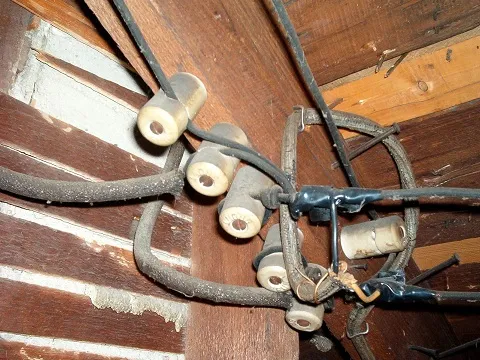
- Safety hazards that go unnoticed
- Costly corrections later
Permits protect homeowners by creating a documented record that work was completed to code.
Working With a Licensed Electrical Contractor
Licensed electrical contractors are trained to understand permitting requirements and local codes. When permits are required, they handle the process and ensure inspections are completed properly.
This reduces stress for homeowners and helps prevent delays or compliance issues.
Plan Electrical Upgrades the Right Way
Whether you’re upgrading your panel, installing EV charging, or planning future energy upgrades, proper permitting is part of doing the work correctly.
Reliant Electrical & Automation provides licensed electrical services throughout Fresno, Clovis, and Madera, handling permits and inspections as part of permitted projects.
Frequently Asked Questions About Electrical Permits
Not always. Minor repairs may not require permits, but most electrical upgrades, new circuits, and system changes do. A licensed electrician can confirm what’s required.
In most cases, the licensed electrical contractor pulls the permit and coordinates inspections as part of the project.
Yes. EV charger installations typically require permits because they involve new circuits and load calculations.
Unpermitted work may need to be corrected or removed, can delay home sales, and may create insurance or safety issues.
Inspections are a normal part of permitted work and are usually scheduled efficiently. Proper planning helps minimize delays.
Yes. Permits and inspections help ensure work is safe, code-compliant, and properly documented.
If you’re planning electrical work and aren’t sure whether a permit is required, it’s best to confirm before starting.
Contact Reliant Electrical & Automation to discuss your project and get clear guidance from a licensed Central Valley electrician.