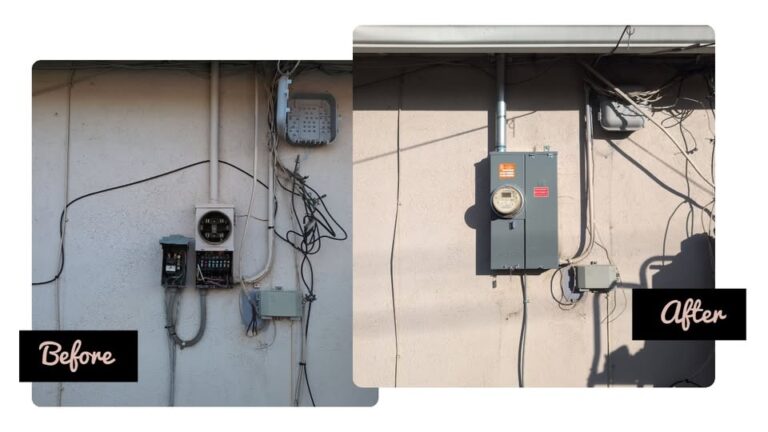
How Professional Lighting Design Transforms a Home
Lighting is one of the few upgrades that can completely change how a home feels without changing the structure itself. The difference between a space that feels flat and one that feels intentional usually comes down to how light is used—not how much of it there is.
Most homes rely on a single overhead fixture in each room. It works, but it doesn’t create depth, comfort, or flexibility. Professional lighting design takes a different approach by layering multiple types of light to shape the space instead of just illuminating it.
That’s where the three core elements of lighting design come in: ambient, task, and accent lighting.
TL;DR: Great lighting design isn’t about brightness—it’s about layering. By combining ambient (general), task (functional), and accent (decorative) lighting, you can create a home that feels more comfortable, functional, and visually dynamic. Modern designs also use linear LED lighting, warm dimming, and smart controls to adapt lighting throughout the day.
The Problem With Most Residential Lighting
Walk into most homes and you’ll notice the same pattern: bright ceiling lights, dark corners, and very little variation. Everything is either fully on or completely off.
This creates:
- Harsh shadows
- Uneven brightness
- Spaces that feel flat or overly bright
It also limits how a room can be used. The lighting that works for cleaning the kitchen isn’t the same lighting you want for relaxing in the evening.
Good lighting design solves this by giving you control and contrast, not just brightness.
What Layered Lighting Actually Means
Instead of relying on a single source of light, layered lighting combines different types of illumination to serve different purposes.
- Ambient lighting sets the overall tone
- Task lighting supports function
- Accent lighting adds depth and visual interest
When these are balanced correctly, the result is a space that feels natural, comfortable, and visually dynamic throughout the day.
Ambient Lighting: Setting the Foundation


Ambient lighting is the base layer that fills the room with light. It’s what allows you to move comfortably through a space, but it shouldn’t be the only thing doing the work.
The goal isn’t maximum brightness—it’s even, comfortable illumination. In modern homes, this is often achieved with recessed lighting or indirect sources like cove lighting and LED strips that bounce light off surfaces instead of shining directly into your eyes.
When done right, ambient lighting fades into the background while everything else comes to life.
Task Lighting: Designed for Real Use

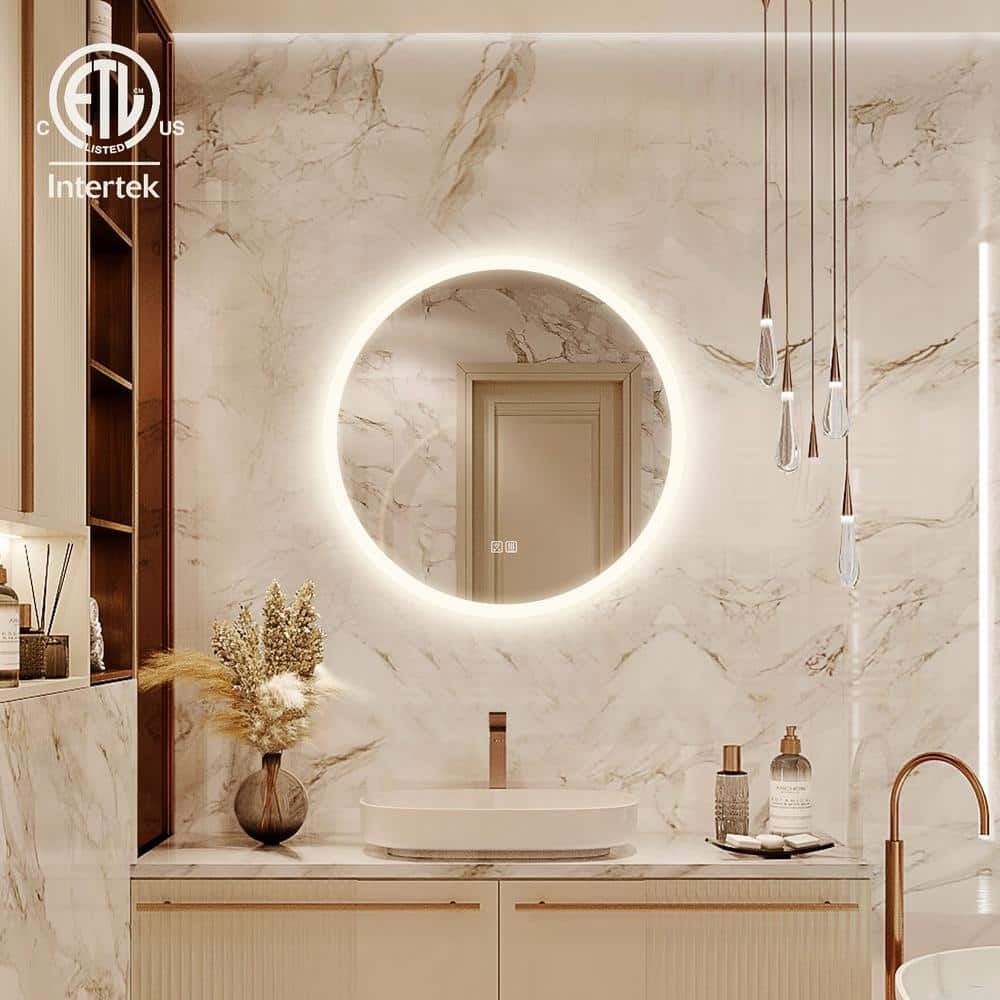

Task lighting is where function takes priority. It’s the lighting you depend on for cooking, getting ready in the morning, working, or reading.
This is also where poor design shows up quickly. Lights placed behind you create shadows. Fixtures that are too dim or too harsh make everyday tasks harder than they should be.
Well-placed task lighting is bright, intentional, and positioned to eliminate shadows—not create them.
Accent Lighting: Where Design Comes Alive

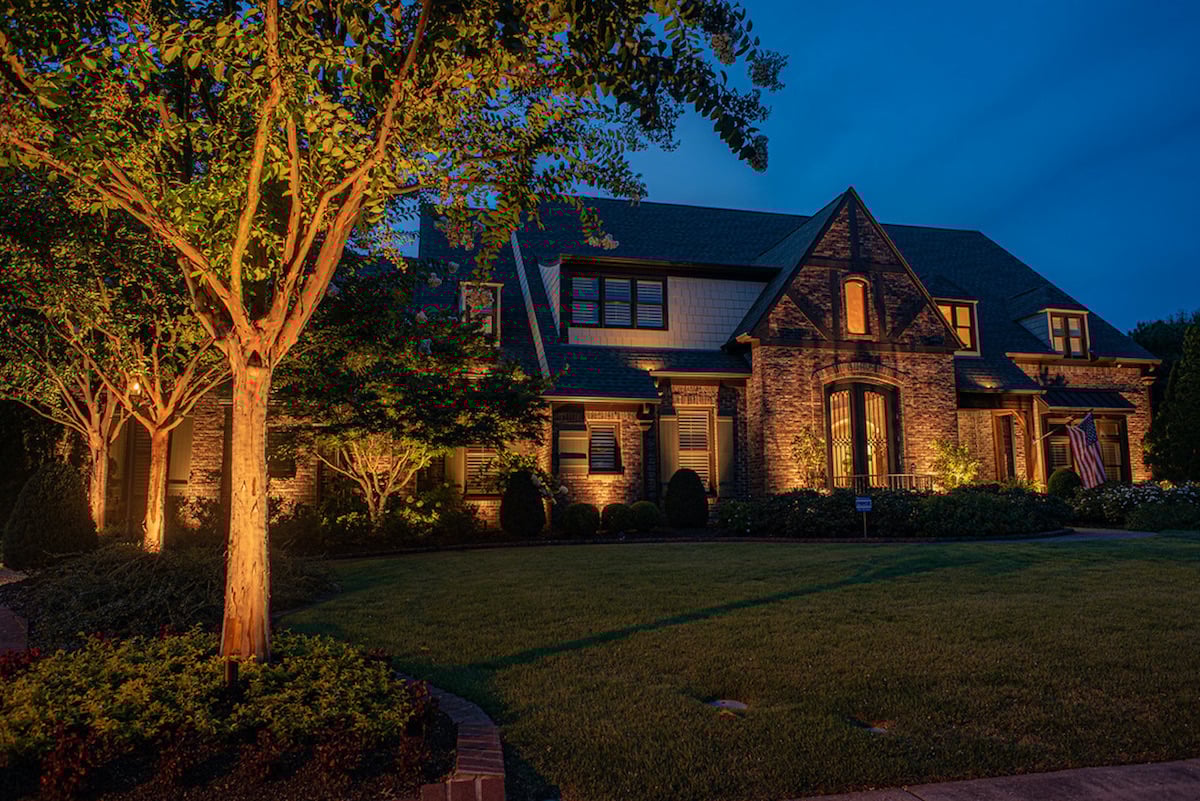

Accent lighting is what separates basic lighting from a well-designed space. It adds contrast, highlights architectural features, and creates visual interest.
Instead of lighting everything evenly, accent lighting introduces variation—drawing attention to textures, artwork, shelving, or even the structure of the home itself.
This is often where linear LED lighting is used most effectively, creating clean lines of light that feel integrated into the architecture rather than added on.
Why Linear LED Lighting Is Everywhere Now
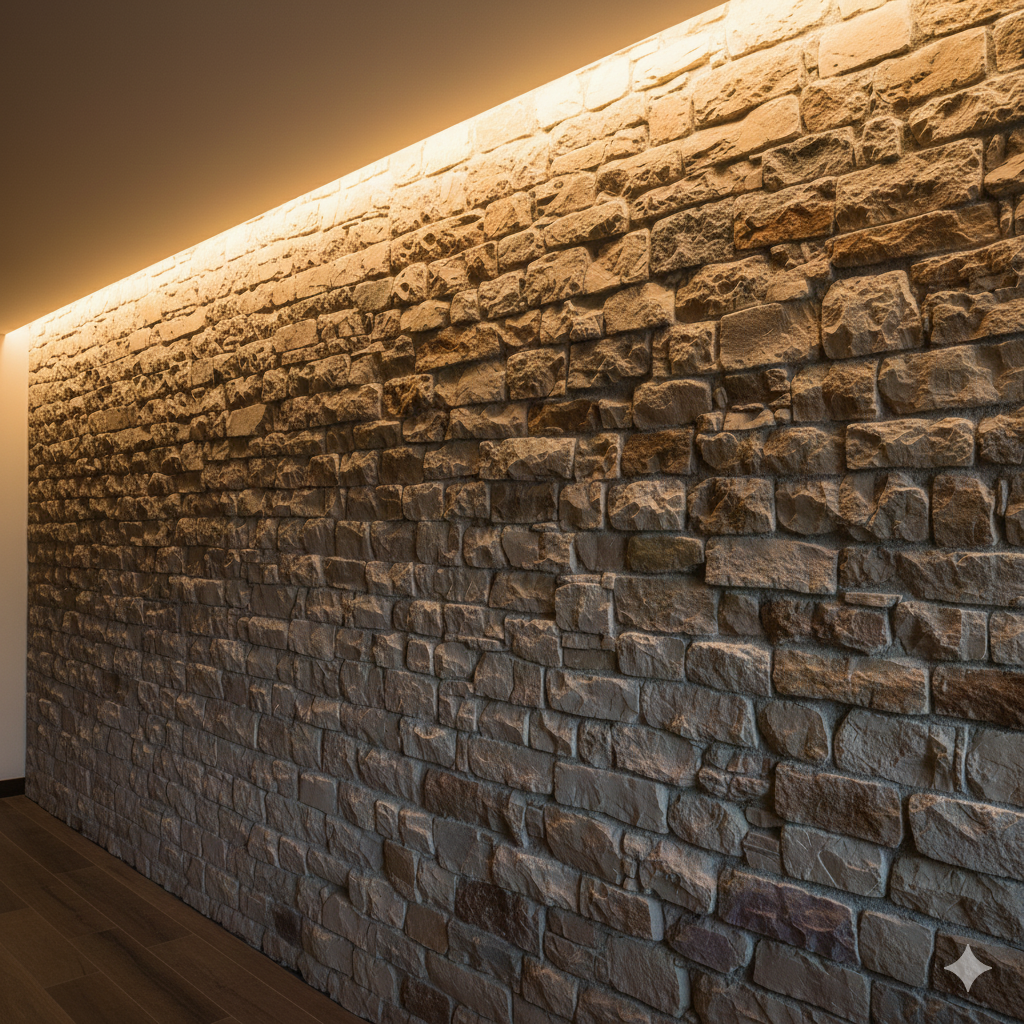
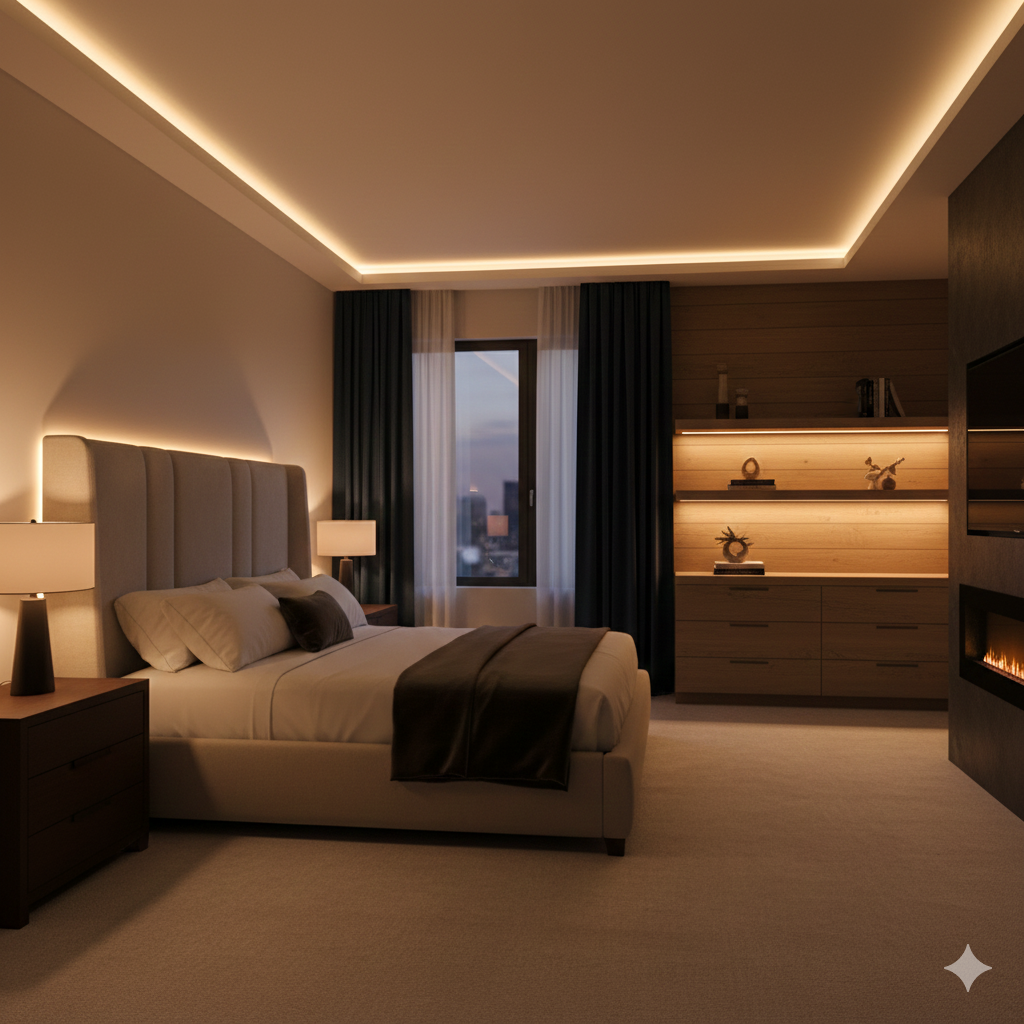
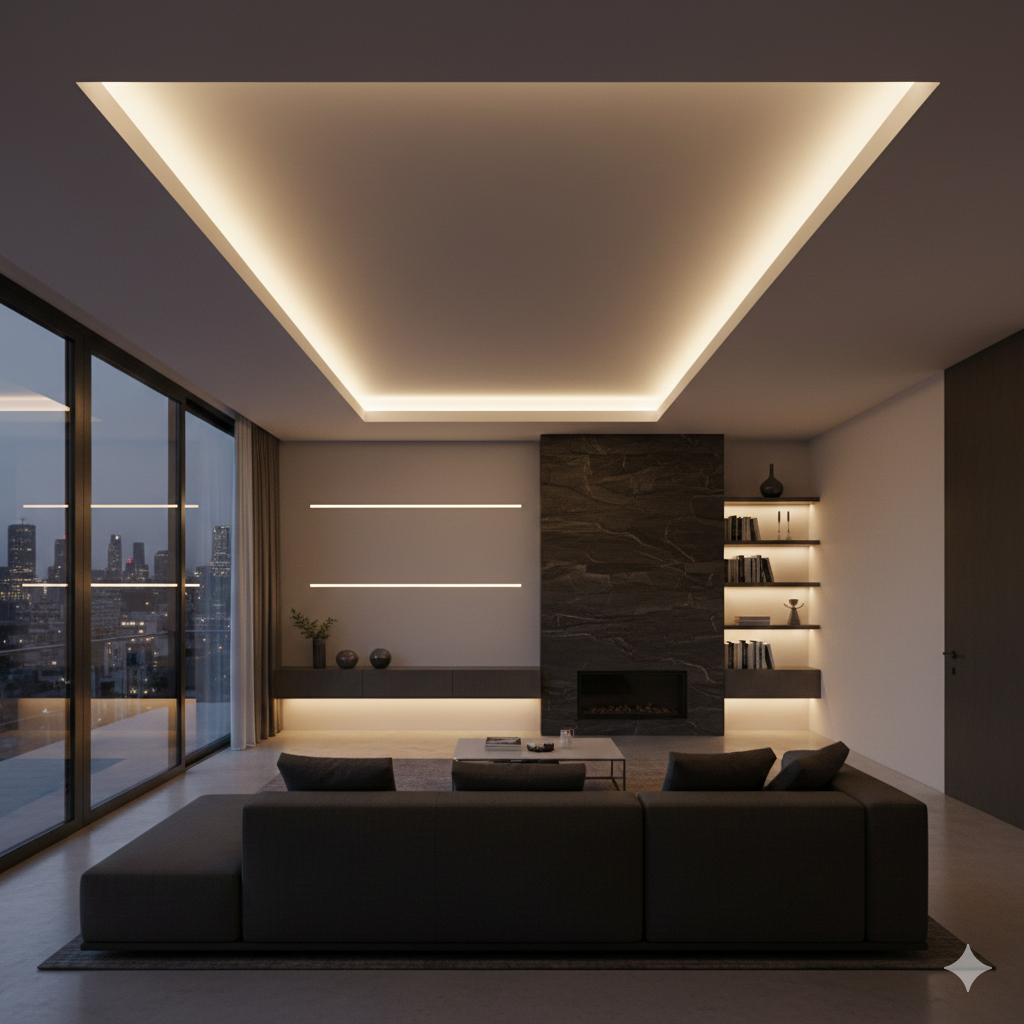
Linear LED lighting has become the standard in modern design because it allows light to be shaped instead of simply emitted.
It creates:
- Continuous, seamless lines of light
- Cleaner visual design
- More control over brightness and placement
From under cabinets to ceiling reveals and built-in shelving, it’s one of the most versatile tools available in lighting design today.
The Role of Color Temperature and Dimming
Light isn’t just about brightness—it’s about tone.
Warmer light creates a relaxed, comfortable environment, while cooler light feels more alert and functional. The ability to adjust both brightness and color temperature is what allows a space to transition from day to night naturally.
Warm dimming, in particular, has become a key feature in higher-end homes, allowing lights to shift warmer as they dim—similar to traditional incandescent lighting, but with modern efficiency.
Lighting Is No Longer Just Electrical—It’s Experiential
With the rise of smart home systems, lighting has become something you interact with rather than just switch on and off.
Scenes can be created for different activities, schedules can adjust lighting throughout the day, and entire rooms can shift mood with a single command.
This is where lighting design, automation, and electrical work come together to create something that feels seamless and intuitive.
Final Thoughts
Good lighting doesn’t draw attention to itself—it makes everything else look better.
By combining ambient, task, and accent lighting, you can create spaces that are more functional, more comfortable, and far more visually compelling than what standard lighting layouts provide.
Whether you’re remodeling or starting from scratch, thinking about lighting as a system instead of a fixture is what makes the difference.
Need Help Designing Your Lighting?
If you’re in Fresno, Clovis, or Madera and want lighting that actually works in the real world—not just on paper—Reliant Electrical and Automation Inc. designs and installs complete lighting systems tailored to your space.